Sound engineering isn’t just a career, it’s a journey through time, technology, and creativity. From the crackling warmth of analog tape to the precision of digital manipulation, sound engineering has undergone a transformation that has reshaped how we experience audio. Whether you’re a music lover, a film buff, or a tech enthusiast, understanding the evolution of sound engineering offers a fascinating glimpse into how the world around us is built, one note at a time.
Let’s rewind and explore how sound engineering went from the simplicity of analog to the endless possibilities of digital, and where it’s headed in the future.
The Birth of Sound: Analog Beginnings
It all started in the late 19th century, when Thomas Edison’s invention of the phonograph opened up new possibilities for recording sound. But it wasn’t until the mid-20th century that sound engineering began to truly take shape.
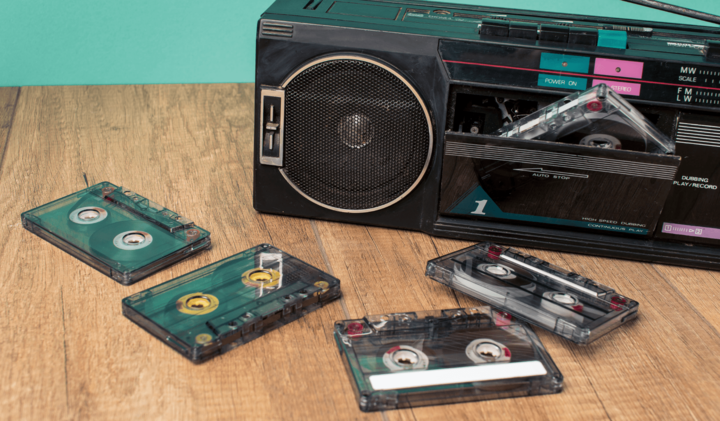
In the 1950s and 1960s, analog tape recorders became the backbone of professional recording studios. Sound engineers used magnetic tape to capture audio, a process that involved physically cutting and splicing the tape to create seamless recordings. Imagine the patience and precision required to craft a flawless track without the luxury of digital editing!
Then came multi-track recording, which changed everything. Instead of recording instruments and vocals together in one take, engineers could now isolate them on different tracks and mix them afterward. This gave birth to iconic records from artists like The Beatles, who pushed the limits of what was possible within the analog realm.
But as much as analog technology shaped sound engineering, it was far from perfect. The tapes introduced hiss, distortion, and degradation over time. While these imperfections added a certain “warmth,” they also presented challenges for sound engineers who wanted to preserve audio clarity.
The Game-Changer: Enter Digital Sound
Then came the digital revolution, and it was a game-changer.
In the 1980s, digital audio technology began to take root. Digital recording allowed sound to be converted into numbers (0s and 1s), which could be processed with unprecedented precision. The arrival of Digital Audio Workstations (DAWs) like Pro Tools brought with it an explosion of creative possibilities. No longer bound by the physical limitations of analog tape, sound engineers could now manipulate audio in ways they’d never dreamed possible.
Suddenly, the world of sound opened up. Engineers could cut, paste, and loop tracks with ease. They could clean up unwanted noise, adjust levels with pinpoint accuracy, and create complex compositions without ever touching an actual instrument. Digital technology also made it easier to work with multiple tracks, hundreds of them, if needed, without worrying about tape running out.
But there was a trade-off. While digital recording offered cleaner, crisper sound, it also lacked the “organic” feel that analog recordings often carried. The warmth of analog, the subtle imperfections, and the sense of human touch seemed lost in a sea of perfect, sterile sound.
Hybrid Systems: Blending Analog Warmth with Digital Precision
For many engineers, the best of both worlds wasn’t about choosing between analog and digital, it was about combining the two. Hybrid systems, which blended the richness of analog with the flexibility of digital, became a sweet spot for sound engineers seeking the best of both worlds.
Software plugins and virtual instruments emerged as key players in this new era. Engineers could replicate the sound of vintage analog gear, without having to actually own it, and achieve the “warmth” of analog with the precision of digital tools. This brought forward a new wave of sound exploration, where everything from distortion to delay could be tweaked to perfection.
What’s more, the internet and cloud-based technology opened up endless possibilities for collaboration. Sound engineers could now collaborate with musicians, producers, and artists from across the globe, sharing tracks, ideas, and feedback in real-time. The sound engineering community was no longer confined to a studio, it was a worldwide creative network.
The Next Frontier: Immersive Audio & AI Innovation
If you thought the digital revolution was the end of the line, think again.
Today, we’re on the cusp of a new wave in sound engineering, one that promises to make audio even more immersive and dynamic. Enter immersive audio technologies like Dolby Atmos and 3D audio, which aim to place the listener at the center of the soundscape, giving them the sensation of being surrounded by sound. This new frontier is revolutionizing everything from film soundtracks to gaming and live events.
Imagine sitting in the middle of a concert, hearing the band playing behind you, above you, and all around you. Or experiencing the intensity of a chase scene in a film where every footstep, gunshot, and explosion feels like it’s happening right next to you. Immersive audio is making that a reality.
And if immersive audio wasn’t enough, artificial intelligence (AI) is stepping into the spotlight. AI is now being used to streamline sound engineering processes, everything from mixing and mastering to detecting flaws in audio. AI tools can analyze sound data, make suggestions, and even automate certain tasks that would have once taken hours. As these technologies improve, sound engineers will have more time to focus on their creative vision, while AI handles the technical details.
Where Sound Engineering Is Headed
As we look toward the future of sound engineering, there’s one thing that’s clear: it’s all about innovation.
With immersive technologies like 3D audio, virtual reality (VR) integration, and AI-driven solutions, sound engineering is constantly pushing the boundaries of what’s possible. The next wave of innovation could bring us even deeper audio experiences, opening up new avenues for creative expression, storytelling, and entertainment.
But it’s not just about the technology, it’s about the people behind it. Sound engineers are more than just technicians; they’re artists who use the tools of their trade to tell stories, evoke emotions, and create experiences. As technology continues to evolve, the role of the sound engineer will only grow more complex and exciting.
Take Your Sound Engineering Career to the Next Level
If the evolution of sound engineering has inspired you to take your passion for audio to the next level, look no further than Hollywood North Sound Institute.
At Hollywood North Sound Institute, we equip students with the cutting-edge skills and knowledge needed to thrive in the ever-changing world of sound engineering. Whether you’re interested in mixing for music or immersive audio experiences, our comprehensive programs cover it all.
Our experienced instructors will guide you through the latest tools and technologies, ensuring you’re prepared for the future of sound. With hands-on training in DAWs, immersive audio, and much more, you’ll leave with the confidence and expertise to make an impact in the industry.
Ready to Start Your Sound Engineering Journey?
The world of sound engineering is evolving at lightning speed, and there’s no better time to jump in than now. Whether you’re starting from scratch or looking to refine your skills, Hollywood North Sound Institute offers the training and resources you need to stay ahead of the curve.
Visit us today to learn more about our programs, and take the first step toward an exciting career in sound engineering. The future of audio is waiting, are you ready to shape it?
Leave a Reply