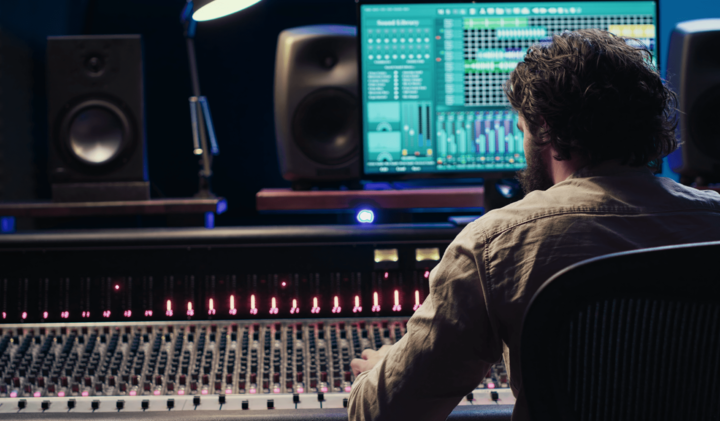
The sound industry is a vibrant and ever-evolving field that sits at the intersection of art and technology. From the immersive soundscapes of blockbuster films to the crisp audio of your favorite podcast, sound professionals play a crucial role in shaping how we experience media. If you’ve ever dreamed of becoming a sound engineer, music producer, or audio editor, now is the perfect time to turn that dream into reality.
However, breaking into the sound industry can feel overwhelming. With so many paths to explore and skills to master, where do you even begin? In this blog post, we’ll guide you through the essential steps to start your career, the skills you’ll need to succeed, and how training at Hollywood North Sound Institute can give you the edge you need to thrive in this competitive field.
Why Pursue a Career in the Sound Industry?
Before diving into the “how,” let’s talk about the “why.” The sound industry is more than just a career, it’s a passion. It’s about creating emotions, telling stories, and enhancing experiences through sound. Whether it’s the haunting score of a thriller, the punchy bassline of a hit song, or the subtle ambient noise in a video game, sound professionals have the power to move audiences in profound ways.
Moreover, the demand for skilled sound professionals is growing. The rise of streaming platforms, podcasts, virtual reality, and immersive audio technologies has created new opportunities for sound engineers, producers, and editors. Whether you’re interested in music, film, gaming, or live events, there’s a place for you in this dynamic industry.
Steps to Start Your Career in Sound
Breaking into the sound industry requires a combination of education, hands-on experience, and networking. Here’s a step-by-step guide to help you get started:
1. Discover Your Niche
The sound industry is incredibly diverse, so it’s important to identify where your passion lies. Do you see yourself mixing tracks for chart-topping artists, designing sound effects for films, or managing audio for live concerts? Some common career paths include:
- Music Production: Working with artists to create and produce music.
- Film and TV Sound: Designing soundscapes, editing dialogue, and mixing audio for visual media.
- Live Sound Engineering: Managing audio for concerts, theater productions, and events.
- Game Audio: Creating immersive soundscapes and effects for video games.
- Podcast and Broadcast Audio: Editing and mixing audio for podcasts, radio, and TV broadcasts.
Take the time to explore these areas and find the one that excites you the most.
2. Learn the Basics
Once you’ve identified your niche, it’s time to build a strong foundation in audio fundamentals. Start by learning key concepts like:
- Signal Flow: Understanding how audio signals move through equipment.
- Acoustics: The science of sound and how it behaves in different environments.
- Mixing and Mastering: Balancing and enhancing audio tracks to create a polished final product.
- Digital Audio Workstations (DAWs): Software like Pro Tools, Logic Pro, and Ableton Live are essential tools for sound professionals.
While there are plenty of free resources online, structured training can help you master these concepts more effectively.
3. Invest in the Right Tools
You don’t need a full studio to get started, but having access to basic equipment is essential. Here’s a beginner-friendly setup to consider:
- Computer: A reliable laptop or desktop with enough processing power to run DAWs.
- DAW Software: Choose one that aligns with your goals (e.g., Pro Tools for film, Ableton for music production).
- Microphone: A quality condenser or dynamic microphone for recording.
- Headphones and Monitors: Accurate audio playback is crucial for mixing and editing.
- Audio Interface: A device that connects your microphone and instruments to your computer.
As you progress, you can expand your toolkit to include MIDI controllers, outboard gear, and more.
4. Gain Hands-On Experience
Theory is important, but nothing beats real-world experience. Look for opportunities to practice your skills and build your portfolio. Here are some ideas:
- Internships: Many studios and production companies offer internships for aspiring sound professionals.
- Freelance Projects: Offer your services to local bands, filmmakers, or podcasters.
- Volunteer Work: Assist with audio for community theater, local events, or school productions.
- Personal Projects: Create your own music, soundscapes, or podcasts to showcase your skills.
Every project, no matter how small, will help you grow and refine your craft.
5. Network and Collaborate
The sound industry is built on relationships. Networking can open doors to opportunities you might not find on your own. Here’s how to get started:
- Attend Industry Events: Look for conferences, workshops, and meetups in your area.
- Join Online Communities: Platforms like Reddit, LinkedIn, and specialized forums are great for connecting with professionals.
- Collaborate with Creatives: Work with filmmakers, musicians, and other artists to expand your network and portfolio.
Remember, networking isn’t just about finding jobs, it’s about building meaningful connections and learning from others in the industry.
6. Build a Portfolio
Your portfolio is your calling card. It’s what potential employers or clients will use to evaluate your skills and creativity. Include your best work, whether it’s a well-mixed song, a sound design reel, or a film you’ve worked on. If you’re just starting out, don’t be afraid to include personal projects or collaborations.
Essential Skills for Sound Professionals
To succeed in the sound industry, you’ll need a mix of technical expertise and soft skills. Here are some of the most important ones:
Technical Skills
- Proficiency in DAWs: Mastering software like Pro Tools, Logic Pro, or Ableton is essential.
- Audio Editing and Mixing: The ability to clean up, balance, and enhance audio tracks.
- Sound Design: Creating unique sounds and effects for films, games, or music.
- Equipment Knowledge: Understanding how to use microphones, mixers, and other audio gear.
Creative Skills
- A Good Ear: The ability to discern subtle differences in sound and make creative decisions.
- Storytelling: Using sound to enhance narratives and evoke emotions.
- Innovation: Experimenting with new techniques and technologies to push boundaries.
Soft Skills
- Problem-Solving: Troubleshooting technical issues and finding creative solutions.
- Communication: Collaborating effectively with clients, directors, and team members.
- Time Management: Meeting deadlines and managing multiple projects.
- Adaptability: Staying updated with industry trends and embracing new tools and techniques.
How Hollywood North Sound Institute Can Help
At Hollywood North Sound Institute, we’re passionate about helping aspiring sound professionals achieve their dreams. Our programs are designed to provide you with the skills, knowledge, and hands-on experience you need to succeed in the competitive sound industry.
Whether you’re just starting out or looking to advance your skills, Hollywood North Sound Institute offers the training and support you need to thrive.
Final Thoughts
Breaking into the sound industry is no small feat, but with passion, persistence, and the right training, you can build a rewarding career in this exciting field. And remember, you don’t have to do it alone, Hollywood North Sound Institute is here to guide you every step of the way.
Explore our programs today and take the first step toward becoming a sound industry professional.
Leave a Reply