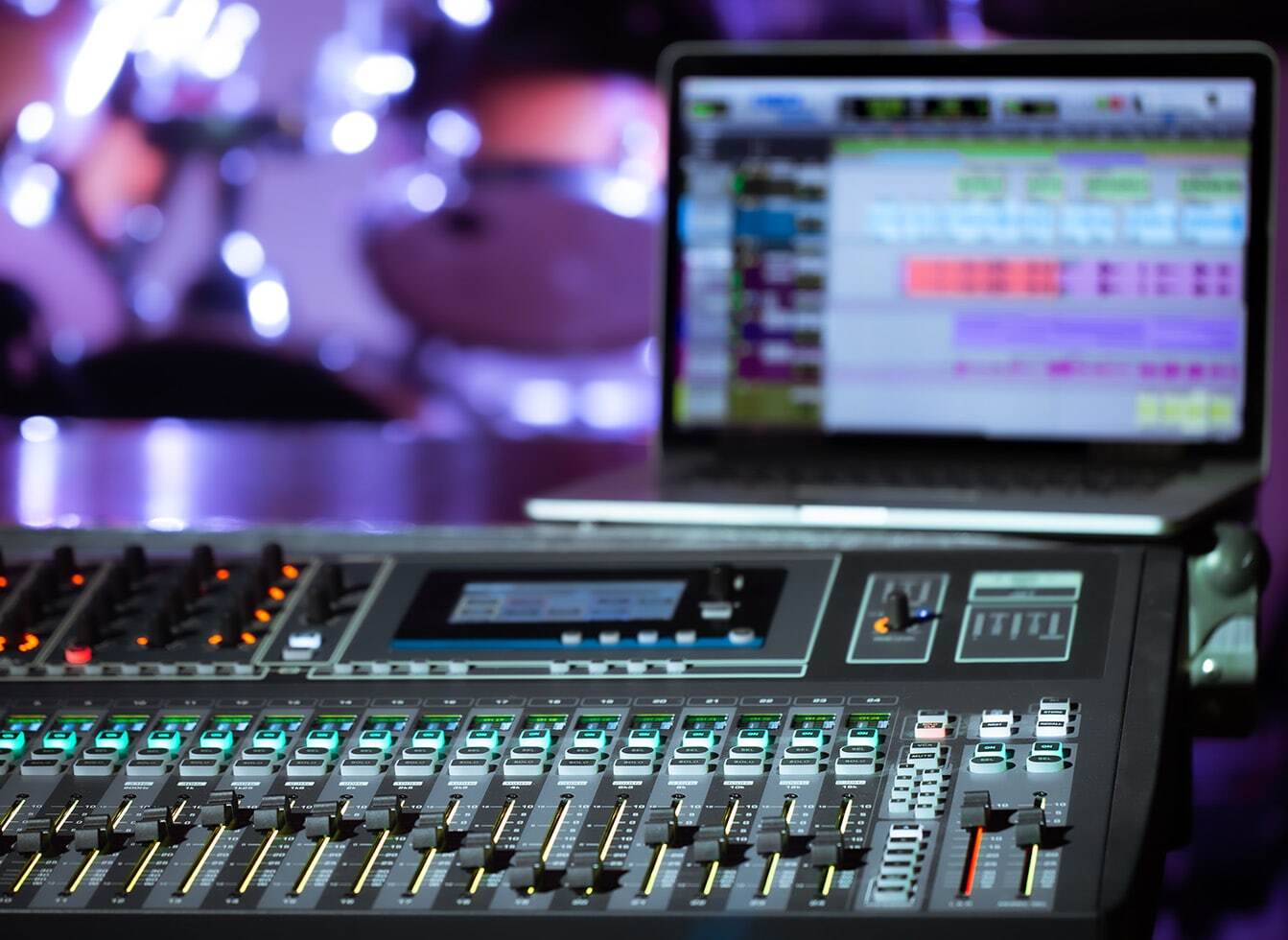
Mixing music is as much about artistry as it is about precision. When you’re starting out, the learning curve can be steep. You’re experimenting with plugins, tweaking EQs, and chasing that perfect sound. But in the process, it’s easy to fall into common traps that can ruin your mix. Whether you’re working on your first track or fine-tuning your tenth, avoiding these beginner mistakes will save you time, frustration, and help you create more professional-sounding mixes.
Here are the top 10 mixing mistakes every beginner makes, and how to avoid them:
1. Using Too Slow Compression Attack Times
One of the most ubiquitous pieces of advice you’ll hear in the world of mixing is to avoid using fast attack times. “Fast attack kills the life of the sound,” they say. For years, I adhered to this rule. But then I started questioning it. Why do analog compressors, like the legendary Urei 1176, boast attack times as fast as 20 microseconds — a fraction of a millisecond?
The truth is, fast attack times can control your instrument’s dynamics more effectively. Sure, if you use them too aggressively, they can “flatten” your sound. But when used carefully, they can enhance the clarity and punch of your mix. The key is moderation. A fast attack should only reduce transients by 2-3 dB, just enough to smooth out the initial attack of the sound without sacrificing the life of your instrument.
If you’re unsure about how much compression to apply, try using serial compression: two light compressors in sequence. The first compressor should have a fast attack, while the second one uses a slower attack. This combination can give you greater control while preserving the dynamics of your mix.
2. Keeping Your Buffer Size Too Low
Every DAW (digital audio workstation) user has experienced the frustration of a freezing system mid-session. The problem isn’t your computer; it’s the buffer size. The buffer size determines how much audio data your system processes before sending it back to your headphones. A low buffer size (32 or 64) is perfect for recording because it reduces latency. But when you start mixing, this can overwhelm your system and cause errors.
To fix this, go into your DAW’s preferences and raise your buffer size to 512 or 1024. This simple change will prevent your system from freezing mid-session and allow you to work without interruptions.
3. Neglecting High Shelf EQs
Ever wonder why professional vocals sound so polished and “alive”? It’s not just about the microphone; it’s often the EQ. Adding a high-shelf boost around 7 kHz or higher can give your vocals that extra air and brightness without sounding harsh. This technique isn’t reserved for vocals alone. Acoustic guitars, drums, and even strings can benefit from a gentle high-shelf boost to bring them to life.
You don’t need to be conservative with this adjustment. Boosting the high end by 5-10 dB can make a dramatic difference. The result? A richer, more engaging sound that will translate well on both high-end speakers and standard headphones.
4. Over-EQing and Excessive Frequency Cuts
EQ is an essential tool, but like any tool, it can be dangerous when overused. Beginners often go overboard with frequency cuts, trying to eliminate every unwanted sound. But here’s the issue: Cutting too many frequencies can lead to phase cancellation, where removing one frequency ends up boosting others unintentionally. The more EQ you add, the more problematic the mix becomes.
Instead, focus on broader cuts and boosts. If you’re applying multiple EQ plugins to fix issues, it’s time to step back. Less is often more. Sometimes a simple cut or boost is all it takes to make your mix shine. Keep things straightforward, and your mix will stay clear and natural.
5. Ignoring Gain Staging
Gain staging is one of the most overlooked aspects of mixing. It’s not enough to just slap plugins onto your tracks; you need to make sure your levels are consistent across every stage of processing. If you’re applying compression, EQ, or reverb without matching the input and output levels, you’re either making things too loud or too quiet — and you won’t know it until it’s too late.
Before moving onto the next plugin, make sure the volume is the same before and after you apply processing. This simple act of gain staging ensures that your changes are improving the sound, not just making it louder.
6. Skipping Acoustic Treatment
A perfect mix is only possible if you’re hearing your audio clearly. Sound behaves differently in every room, and the acoustics in your mixing environment can drastically affect your judgment. Without proper acoustic treatment, your mix might sound great in your room, but fall apart when played elsewhere, like in a car or on another system.
Investing in acoustic treatment should be a priority. Before spending on high-end microphones or plugins, treat your room to ensure you’re hearing an accurate representation of your sound. If you’re on a budget, consider using quality studio headphones. However, they come with their own set of challenges, so it’s essential to use them in combination with acoustic treatment when possible.
7. Overusing Plugins Without Purpose
It’s easy to get carried away with the excitement of new plugins. As a beginner, you might feel compelled to try every plugin you have in your library, convinced that it will unlock a better sound. But here’s the problem: the more you experiment, the more likely you are to lose focus on the bigger picture. Too many plugins lead to ear fatigue, making it harder to judge your mix accurately.
Instead, focus on learning a few key plugins and use them consistently across your projects. This approach will help you mix faster and get better results, while also preventing the dreaded ear fatigue that comes with endless experimentation.
8. Relying on Expensive Gear to Fix Your Mix
This is one of the most common myths that beginners fall for: the idea that premium plugins or expensive gear will automatically make your mixes sound better. The reality? No amount of money spent on plugins will compensate for a lack of knowledge.
The best thing you can do for your mixes is to master the stock plugins in your DAW. Once you’ve become proficient with them, then consider investing in premium plugins. But understand that high-end gear is only effective when you already know how to use it. Practice is what will truly improve your mixing skills.
9. Focusing on Quick Fixes Rather Than Learning the Fundamentals
It’s tempting to dive straight into mixing “tricks” and “hacks” that promise to improve your sound overnight. However, these shortcuts are often a distraction from learning the fundamentals. Without a strong foundation in EQ, compression, and dynamics, no trick will make your mix sound better.
Focus first on understanding the basics of mixing: how EQ shapes your sound, how compression controls dynamics, and how to build a mix that sounds balanced from the ground up. Once you have these essentials down, then you can start exploring more advanced techniques.
10. Failing to Backup Your Sessions
Lastly, one of the most critical mistakes a beginner can make is not backing up their work. Imagine spending hours mixing, only for your computer to crash and corrupt your entire session. It’s not just frustrating — it’s devastating.
Always back up your sessions regularly. Use an external hard drive or a cloud storage service to ensure that your hard work is protected. Losing a session can set you back days or even weeks, but a reliable backup can save you from this nightmare.
Conclusion
Avoiding these common mixing mistakes will help you produce more polished, professional-sounding tracks in less time. Mixing is a skill that takes years to master, but by understanding and avoiding these pitfalls, you’ll be on the path to success. Whether you’re just starting out or looking to fine-tune your skills, remember that the best mixes come from a combination of practice, knowledge, and critical listening. Focus on learning the fundamentals, investing in your acoustics, and using your tools wisely, and soon enough, your mixes will stand out in a way they never have before.
Ready to turn your passion for music into a career? At Hollywood North Sound Institute, we offer the training that will take your music production skills to the next level. Learn from industry pros, master the latest techniques, and gain access to cutting-edge equipment. Stop dreaming and start creating. Sign up today and begin your journey towards becoming a top-tier music producer. Join Hollywood North Sound Institute now!
Leave a Reply