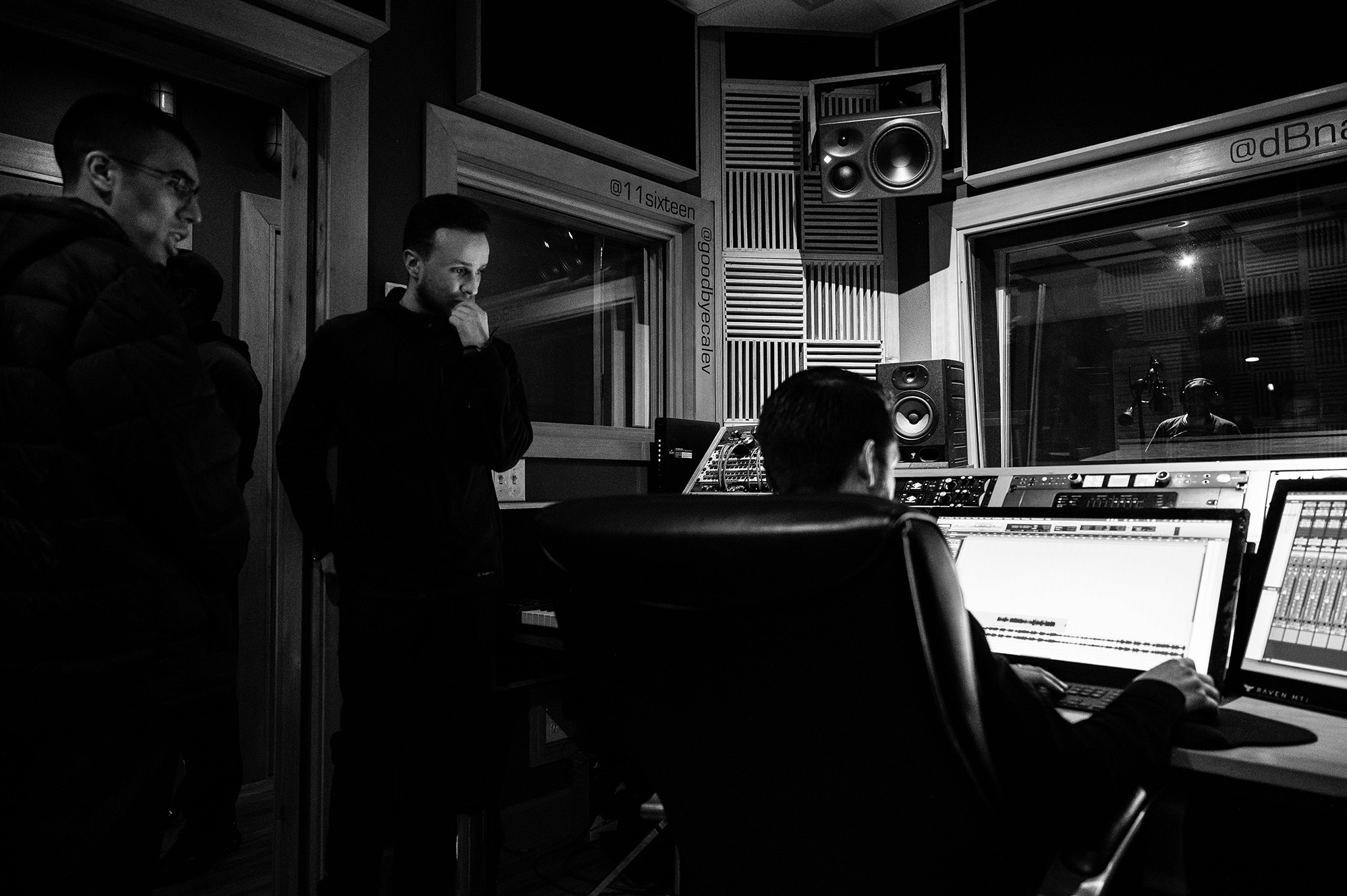
Behind every iconic song and every groundbreaking album, there’s a team of people responsible for creating something unforgettable. But amidst the writers, musicians, and producers, there’s one group that’s often working behind the scenes, shaping how we experience music: sound engineers. These are the unsung heroes who have transformed how we hear music, mixing technical precision with creative brilliance to make the sonic landscapes that define the tracks we love.
Some of the greatest sound engineers in history have left an indelible mark on the music industry, shaping genres, influencing artists, and redefining how we approach sound itself. In this post, we explore the trailblazers who have changed the course of music history.
The Architects of Sound: Revolutionizing the Music Industry
The role of the sound engineer has evolved drastically over the decades, from early days spent tinkering with primitive audio equipment to the sophisticated digital studios of today. As technology advanced, so too did the role of these engineers, who became true architects of the musical experience. With a deep understanding of acoustics, technology, and artistry, these visionaries were able to push boundaries and unlock new realms of possibility.
Each of the engineers profiled here wasn’t just keeping pace with change; they were driving it. These innovators set new standards for what was possible in the recording studio, influencing music production across all genres, and leaving legacies that continue to shape the industry today.
George Martin: The Visionary Behind The Beatles’ Legacy
Known as “The Fifth Beatle,” George Martin was far more than just a producer for The Beatles — he was an integral part of their sonic evolution. Martin’s genius lay in his ability to combine classical music techniques with modern pop, crafting arrangements that were as groundbreaking as the band’s music itself.
His experiments with studio techniques, from reverse tape effects to orchestral arrangements, revolutionized how albums were recorded. The sound of Sgt. Pepper’s Lonely Hearts Club Band wasn’t just revolutionary because of its music; it was the result of Martin’s deep understanding of sound engineering and his fearless approach to the studio. By pushing the limits of what was technically possible, Martin helped usher in a new era of music production.
Bruce Swedien: Crafting the Unmistakable Sound of Michael Jackson
When you think of Michael Jackson’s Thriller, you’re thinking of more than just one of the best-selling albums of all time — you’re thinking of the extraordinary sound that defines it. Bruce Swedien, the mastermind behind much of Michael Jackson’s most iconic albums, was known for his meticulous attention to detail and innovative engineering techniques.
Swedien’s groundbreaking work on Thriller is legendary. He used a variety of techniques to create a truly immersive sound, including multi-microphone setups and live recording methods that gave Jackson’s vocals an extraordinary sense of presence. Swedien’s work didn’t just capture sound; it elevated it, creating a sound that is still synonymous with pop music to this day.
Les Paul: The Pioneer of Multitrack Recording
Few people can claim to have changed music in such a foundational way as Les Paul. While he was known to most as a virtuoso guitarist, his contributions to audio engineering were nothing short of revolutionary. Paul is credited with inventing multitrack recording, a technique that allows musicians to record multiple layers of sound and then combine them into a cohesive final product.
Before Paul, music was typically recorded in a single pass, but his development of the multitrack recorder opened the doors for limitless creative possibilities. Today, every recording studio in the world utilizes multitrack recording, making Paul’s invention one of the most important advancements in the history of music production.
Glyn Johns: Capturing the Raw Energy of Rock ‘n’ Roll
When it comes to classic rock, few sound engineers have had as much influence as Glyn Johns. Known for his work with legendary bands like Led Zeppelin, The Rolling Stones, and The Who, Johns played a pivotal role in capturing the raw, live energy that defined the rock genre.
Johns was a minimalist in his approach, preferring to use fewer microphones to capture a more organic, live sound. His ability to preserve the energy and spontaneity of a live performance while still achieving the technical excellence expected in the studio made him one of the most sought-after engineers of the 70s. The sound he achieved for albums like Led Zeppelin IV continues to be a benchmark for engineers working with rock music today.
Sylvia Massy: Breaking the Mold of Traditional Sound Engineering
Sylvia Massy is one of the few women to rise to prominence in the world of audio engineering, and her contributions to the field are immense. Known for her work with artists like Tool, Johnny Cash, and Red Hot Chili Peppers, Massy is an engineer who’s not afraid to break the rules and experiment with unconventional techniques.
Massy’s approach to sound engineering is as much about creativity as it is about technical skill. She’s pioneered methods like recording vocals underwater and using broken speakers to get unique sounds. Her fearless attitude toward the recording process has not only led to iconic albums but has also inspired a new generation of sound engineers, especially women in the industry.
How Sound Engineers Transformed Music Production Forever
Sound engineers have always been at the cutting edge of music production. They are responsible not just for recording sound, but for shaping it, refining it, and adding texture and depth. From analog to digital, from tape to hard drives, sound engineers have adapted to every technological shift, often being the ones to push these technologies to their limits.
Their role in music production cannot be overstated — without these pioneers, much of the music we know and love simply wouldn’t exist in its current form. Through their hard work, innovation, and vision, sound engineers have elevated music production to an art form.
Les Paul’s Multitrack Magic and the Digital Age
It’s hard to imagine the music industry without multitrack recording. Before Paul’s innovation, bands had to play their songs in one continuous take. His invention, which allowed musicians to record multiple layers, gave birth to an era of studio experimentation and opened the doors to limitless creative possibilities.
As the industry transitioned into the digital age, engineers could now manipulate each layer of sound with even more precision, making the recording process even more sophisticated. Digital tools, plugins, and effects were all born from the foundation that Paul built, and today’s engineers owe him a debt of gratitude for pioneering this game-changing technology.
The Rise of Immersive Sound: A New Frontier for Engineers
In recent years, the world of sound engineering has embraced immersive formats like Dolby Atmos, a technology that allows engineers to create 3D audio experiences that surround the listener. This cutting-edge technique takes the traditional stereo mix to the next level, enveloping the listener in rich, dynamic soundscapes that feel real and tangible.
Sound engineers have been at the forefront of this evolution, pushing the boundaries of spatial audio, ensuring that music not only sounds great but feels great. The possibilities for music, film, and gaming are expanding rapidly, and these new tools are opening the door for a completely new way to experience sound.
The Unseen Force Behind Music: The Legacy of Sound Engineers
As we look back on the impact these sound engineers have had on the industry, it’s clear that their work has influenced more than just a few albums. These pioneers fundamentally altered the course of music production, changing how we hear, feel, and experience music. From the recording of Thriller to the raw energy captured in Led Zeppelin’s albums, their work has had a lasting impact on how music sounds and how it’s made.
Their legacy lives on in the songs we hear today, the technologies we use, and the engineers who continue to follow in their footsteps.
At Hollywood North Sound Institute, we honor this legacy by equipping the next generation of engineers with the knowledge and tools to push sonic boundaries even further. Ready to carve out your place in audio history? Join us today!
Leave a Reply